
Summary
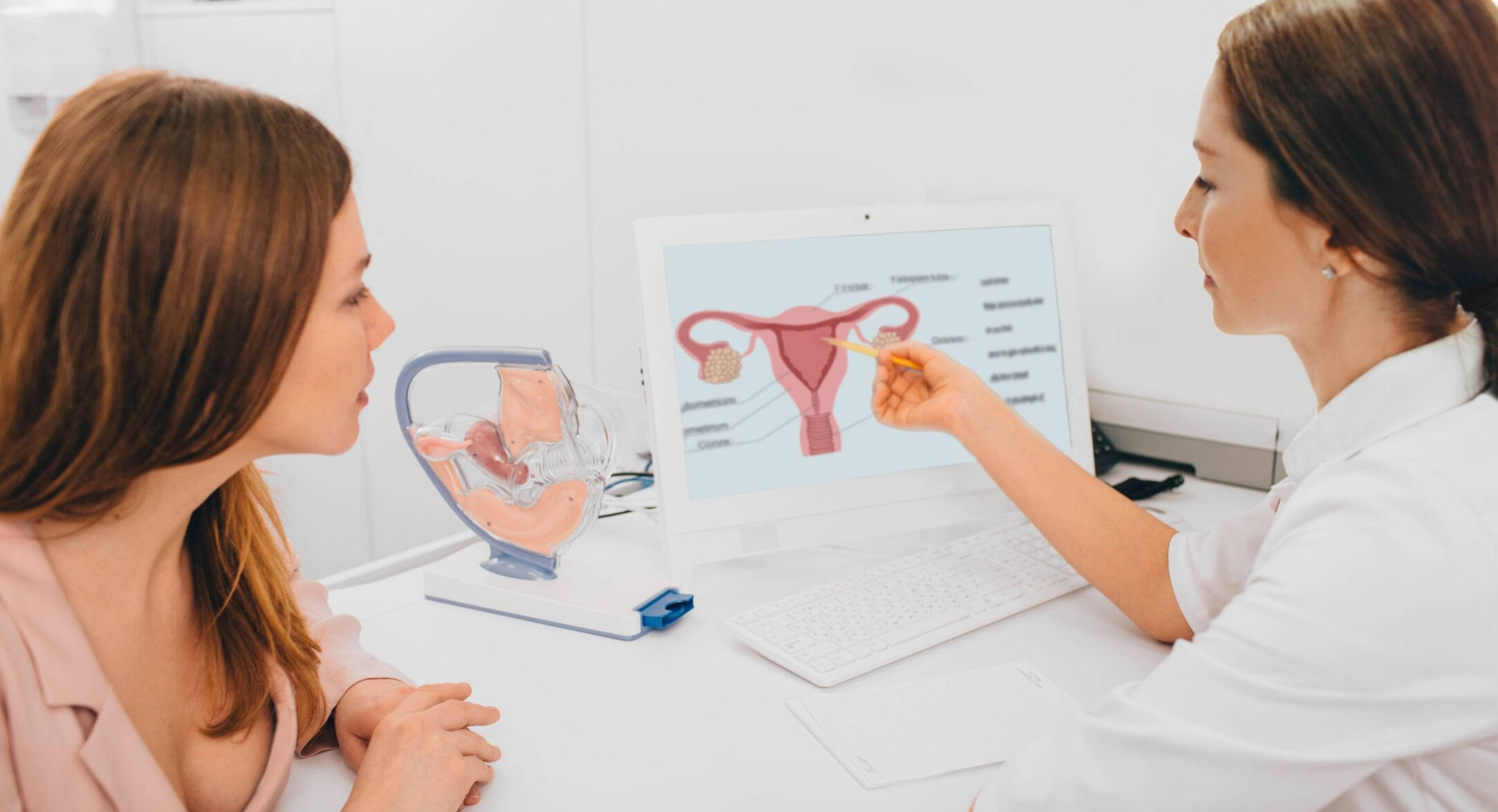
Regular gynecological checkups are essential for ensuring women’s overall health, preventing disease, and detecting conditions in their early stages. This article explores the benefits, key components of a gynecological exam, and evidence-based recommendations for different stages of life.
Introduction
Gynecological health is a fundamental pillar of women’s overall well-being. Regular checkups are not only a tool for the early detection of diseases such as cervical or breast cancer, but also an opportunity to educate patients about their sexual and reproductive health. However, many studies show that a significant percentage of women postpone these checkups due to a lack of information, fear, or cultural stigma.
Objectives of Gynecological Examinations
- Prevention : Implement measures to reduce the risk of gynecological diseases.
- Early Detection : Identifying pathologies in their early stages, when treatment is most effective.
- Education : Providing information on sexual health, contraception, fertility, and menopause.
- Follow-up : Monitor chronic conditions such as endometriosis or polycystic ovary syndrome (PCOS).
Components of a Gynecological Examination
- Complete Medical History :
It includes family history, medical history, and details about the menstrual cycle and sexual activity. - Pelvic Exam :
The health of the reproductive organs is evaluated, detecting abnormalities such as cysts, infections, or tumors. - Papanicolaou (Cervical Cytology) :
A key test for detecting precancerous lesions and cervical cancer. - Breast Examination :
To identify lumps or other irregularities in the breasts. In women over 40, a mammogram is recommended as a supplement. - STD testing :
Based on the patient’s risk profile, tests are performed for diseases such as chlamydia, gonorrhea, HIV, and syphilis. - Pelvic Ultrasound (Optional) :
A non-invasive tool for evaluating conditions such as ovarian cysts, fibroids, or uterine abnormalities.
Recommended Frequency
- Adolescents (13-18 years) :
The first visits should focus on education and guidance, especially regarding menstruation, contraception, and STI prevention. - Women aged 20 to 39 :
Annual or three-year check-ups, depending on medical history and the results of previous tests. - Women over 40 :
More detailed examinations including mammograms and menopause monitoring. - Postmenopausal women :
Focus on the detection of diseases such as endometrial cancer and osteoporosis.
Benefits of Regular Checkups
- Disease Prevention :
HPV vaccination, education on contraceptive methods, and guidance to reduce the risk of infections. - Early Detection :
Identifying gynecological cancers, such as cervical, ovarian, or breast cancer, in early stages significantly increases the survival rate. - Monitoring of Chronic Conditions :
Diseases such as endometriosis or PCOS require constant monitoring to avoid complications. - Improved Quality of Life :
By addressing problems such as chronic pelvic pain, irregular periods, or menopausal symptoms, the well-being of patients is significantly improved.
Barriers to Gynecological Checkups
- Lack of Information : Many women are unaware of the importance of these checkups.
- Fear or Anxiety : Fear of pain or of being diagnosed with a disease.
- Cultural Stigmas : In certain cultures, gynecological health can be a taboo subject.
Impact on Public Health
Implementing gynecological screening and education programs reduces mortality rates from preventable diseases, such as cervical cancer. Furthermore, regular checkups decrease the incidence of unintended pregnancies and sexually transmitted infections, improving women’s quality of life.
Conclusions
Regular gynecological checkups are an essential component of women’s overall health. Beyond disease prevention and detection, these appointments are an opportunity to empower patients and promote positive health habits. Education and accessibility are key to ensuring that more women have access to this preventative care.
References
- American College of Obstetricians and Gynecologists (ACOG). (2021). “Well-Woman Care Guidelines.”
- World Health Organization (WHO). (2022). “Preventing Cervical Cancer: Screening and Early Detection.”
- Saslow, D., et al. (2020). “The Importance of Screening for Gynecological Health in Women of All Ages.” Journal of Women’s Health , 29(5), 563-572.